
English| EUR
Suggested for you
More currencies
Choose a language
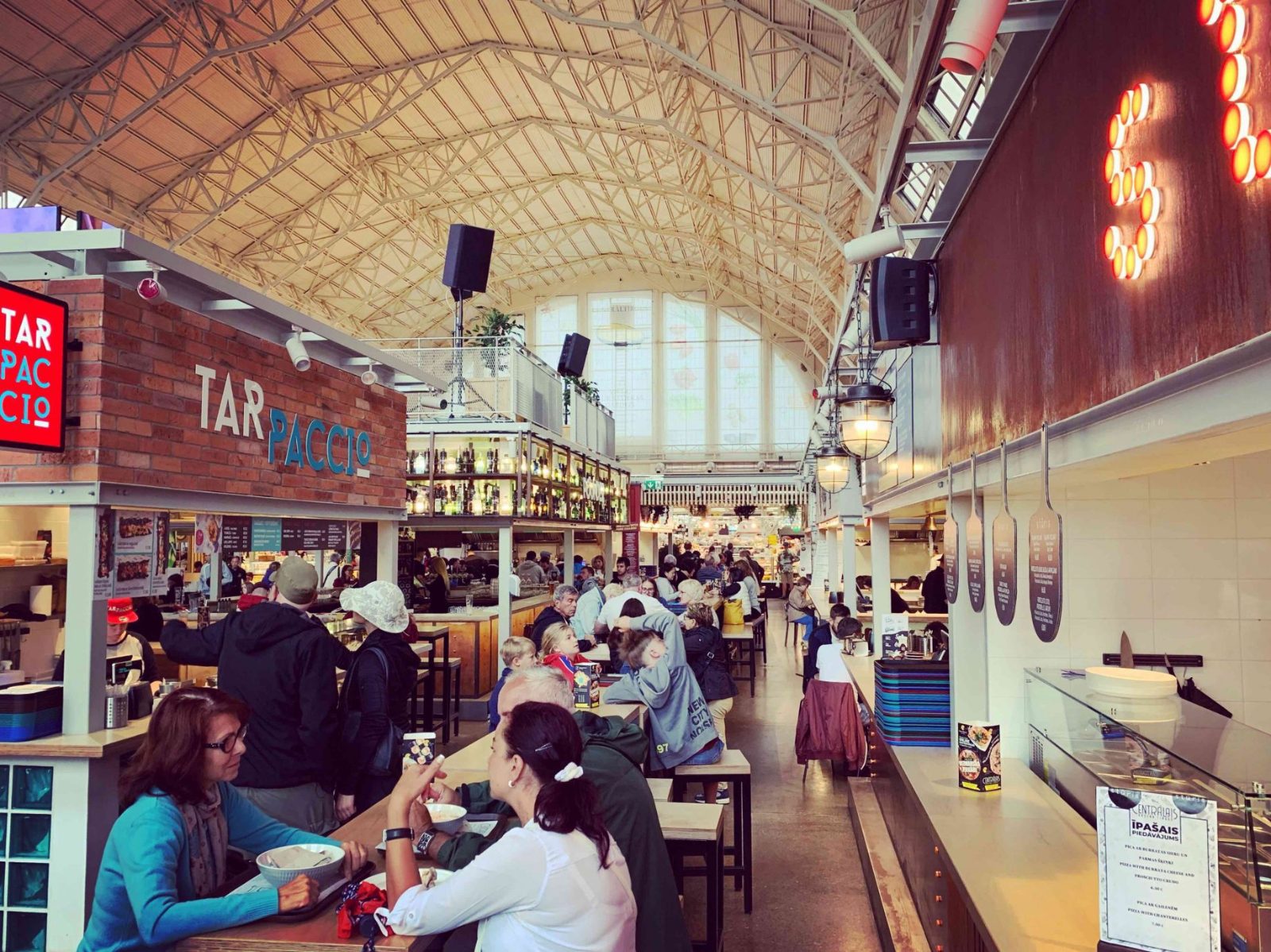
Housed within five former Zeppelin hangars, the dining areas of this UNESCO-listed bazaar offer a direct look into Latvian culinary culture. This riga central market food court guide covers how to navigate the eateries, find local specialties, and secure a seat among the bustling produce stands.
Quick answer
The riga central market food court and surrounding dining stalls operate daily from 07:30 to 18:00, matching the main pavilion schedule. Entry is completely free (0 EUR). Visitors will find the highest concentration of prepared foods, bakeries, and seating areas in the Gastronomy Pavilion, serving traditional Latvian fare.
Constructed from surplus World War I German Zeppelin hangars, the sprawling pavilions along the Daugava River house one of the largest market spaces in Europe. Within this UNESCO World Heritage site, the riga central market food court environment is not confined to a single modern mall-style room. Instead, dining spaces and prepared food stalls integrate directly into the historic architecture, primarily anchored within the Gastronomy Pavilion. Visitors traversing the concrete floors encounter a blend of traditional Latvian vendors and contemporary casual dining setups. The aroma of smoked fish, pickled vegetables, and freshly baked rye bread permeates the aisles, reflecting the daily diet of the Baltic region. Understanding the layout of this Rīgas Centrāltirgus dining hall is essential for navigating the complex. The grounds separate distinct food categories into different hangars, meaning the meat, dairy, and fish sectors each occupy their own massive arched hall. Those seeking an immediate meal will find the highest concentration of ready-to-eat options where the bakeries and specialized cheese vendors converge. Patrons typically order directly from the glass display counters, securing plates of pelmeni, salted herring, or slow-roasted pork before finding a communal table or standing counter. The sheer scale of the operation means visitors can spend hours walking the aisles before settling on a specific vendor. This setup maintains the functional, fast-paced nature of a working municipal market rather than a purely tourist-focused culinary destination. Because the site serves tens of thousands of local shoppers daily, the atmosphere around the riga central market food court fluctuates significantly based on the time of day. Early mornings see vendors setting up fresh produce and baked goods, while the mid-day rush brings nearby office workers searching for quick lunches. Navigating the various seating areas requires a bit of patience during peak hours, but the turnover rate at the communal tables remains consistently high. Unlike highly manicured modern spaces, this bazaar retains a utilitarian character, defined by neon signage from the late twentieth century, robust portions, and straightforward service. Diners should expect a cash-heavy environment at older stalls, though card terminals are increasingly standard at the newer prepared-meal counters dotting the pavilion perimeter.
“Dining spaces and prepared food stalls integrate directly into the historic architecture, primarily anchored within the Gastronomy Pavilion.”
Dining at the Riga Central Market involves exploring diverse pavilions filled with traditional Latvian staples and modern quick-bite options. Visitors can consume goods on-site or source local ingredients to assemble their own meals.
market
Known for a wide selection of smoked, salted, and fresh Baltic fish, this section is located in the dedicated fish hall. Visitors often purchase prepared smoked eel or herring to eat immediately.
market
This area houses vendors selling artisanal cheeses, pickles, cured meats, and freshly baked Latvian rye bread. It is situated in the central section of the market complex.
street
Found throughout the outskirts and between pavilions, these stalls serve hot meals such as pelmeni, savory pastries, and coffee. They provide quick dining options for those exploring the market grounds.
market
These halls offer fresh seasonal produce, local honey, and dairy products like sour cream and cottage cheese. Located adjacent to the gastronomy area, they are ideal for assembling a local picnic.
The Riga Central Market food court operates on a consistent daily schedule throughout the week.
Access to the Riga Central Market and its food court areas is entirely open to the public. There are no admission fees required to enter the facility.
Verdict: Adults pay 0 EUR to enter, as the market is a public space with no admission charges.
The Riga Central Market is located at Nēģu iela 7, Rīga, LV-1050, Latvia, situated near the Daugava River and the central railway station. It is easily accessible via public transport or by walking from the Riga Old Town area.
Routes 1, 2, 5, 7, 10, or 11 to 'Centrāltirgus' stop
Routes 7, 12, 23, or 26 to 'Centrāltirgus' stop
Walk south from the Riga Central Railway Station
Direct drop-off at Nēģu iela or adjacent streets
For the most efficient access to the food court and dining pavilions, arrive between 07:30 and 11:00 to avoid mid-day pedestrian congestion. Use the main entrances facing the city center to navigate directly toward the indoor stalls.
Navigate the market like a local with these practical strategies for sourcing, tasting, and handling your food purchases.
Many independent vendors prefer cash and may struggle to provide change for large banknotes during early morning shifts. Keep coins and small notes accessible in a secure pocket to streamline transactions.
While some stalls provide plastic options, carrying a reusable tote or a collapsible basket makes it easier to manage multiple purchases of produce, smoked fish, or baked goods. It also reduces waste while navigating the narrow aisles.
Most vendors are happy to offer a small taste of products like local cheeses, cured meats, or seasonal berries if you ask politely. This practice helps ensure you are satisfied with the flavor profile before committing to a larger quantity.
Focus your search for prepared foods and specialty items inside the repurposed zeppelin hangars rather than the outdoor perimeter. The indoor environment provides a consistent experience regardless of weather and keeps delicate food items protected.
If you are looking for specific regional ingredients or local specialties, ask the vendors directly for their recommendations. They often have insights on how to prepare traditional items or which specific batches are currently at peak ripeness.
Everything you need to know about riga central market food court
Entry to the facility is free, meaning there is no entrance fee required to access the dining area. You can explore the various stalls and vendors without paying any admission costs.
The market is open daily from 07:30 to 18:00 throughout the entire week, including weekends. These consistent hours apply to the entire complex, allowing for flexibility in your planning.
The best arrival window is between 07:30 and 11:00 to avoid mid-day crowds and ensure the freshest selection of local produce. Visiting early provides a quieter experience and access to items before they sell out.
Yes, the venue features numerous stalls offering traditional Latvian delicacies alongside fresh market ingredients. It serves as a central hub for tasting regional specialties in an authentic atmosphere.
The market is located at Nēģu iela 7, Rīga, LV-1050, Latvia, situated conveniently near the city center. It occupies historic zeppelin hangars that define the iconic Riga landmarks skyline.
The market is very family-friendly, offering a wide variety of food options to suit different tastes and preferences. The spacious environment allows families to walk through the aisles comfortably while exploring local culinary heritage.
Visitors often make the mistake of arriving during peak afternoon hours when the aisles become crowded with locals and tourists alike. Planning your visit for the early morning window ensures a more relaxed and productive food tour experience.